
Services // Wastewater
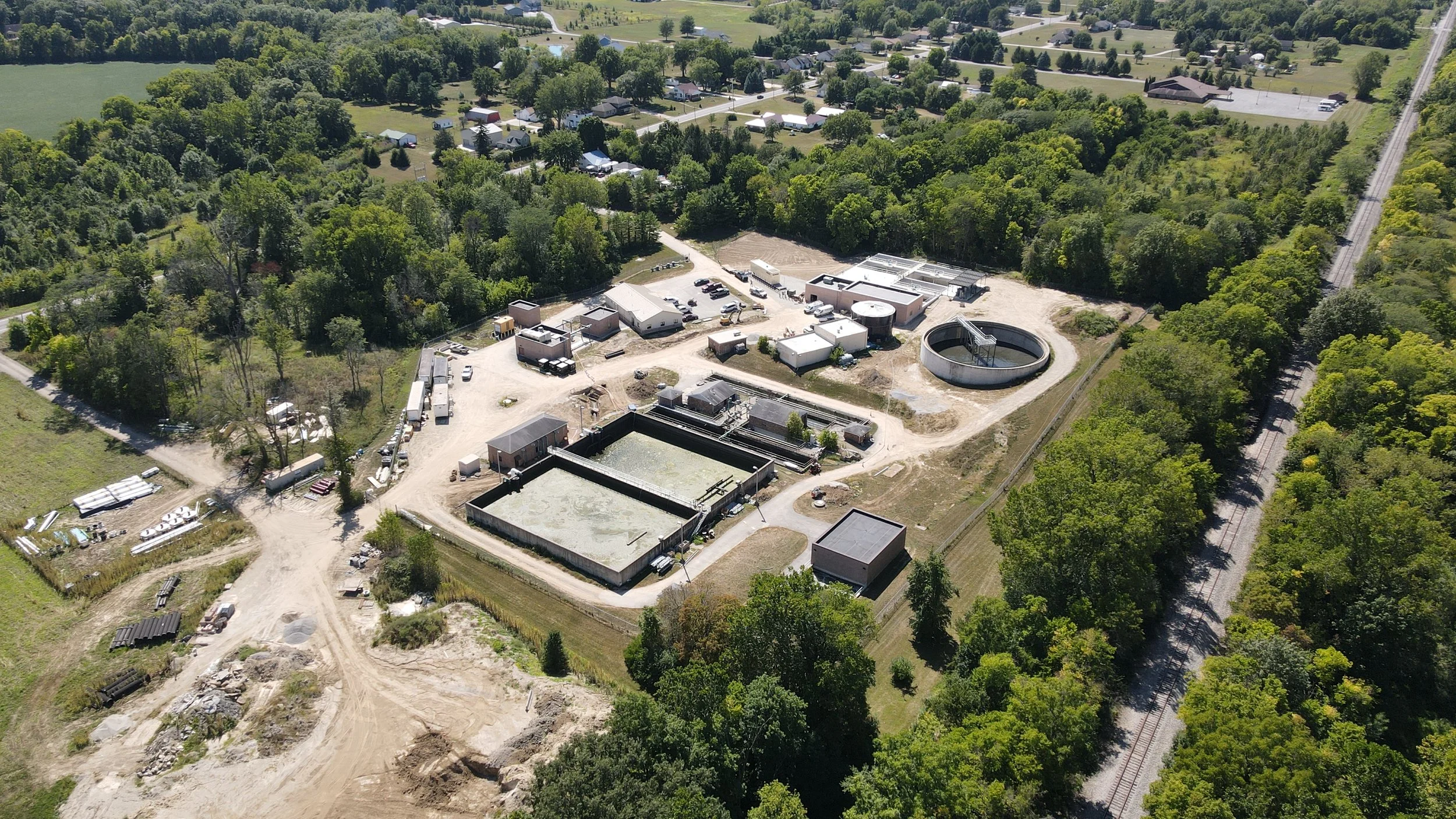
Wastewater Treatment for Midwest Municipalities
Clean water is one of our most precious resources. Through the engineering of precise treatment systems, we work with Indiana and Ohio municipalities to take waste out of water so it becomes safe to discharge back into the environment.
Scoping, Studies & Master Planning
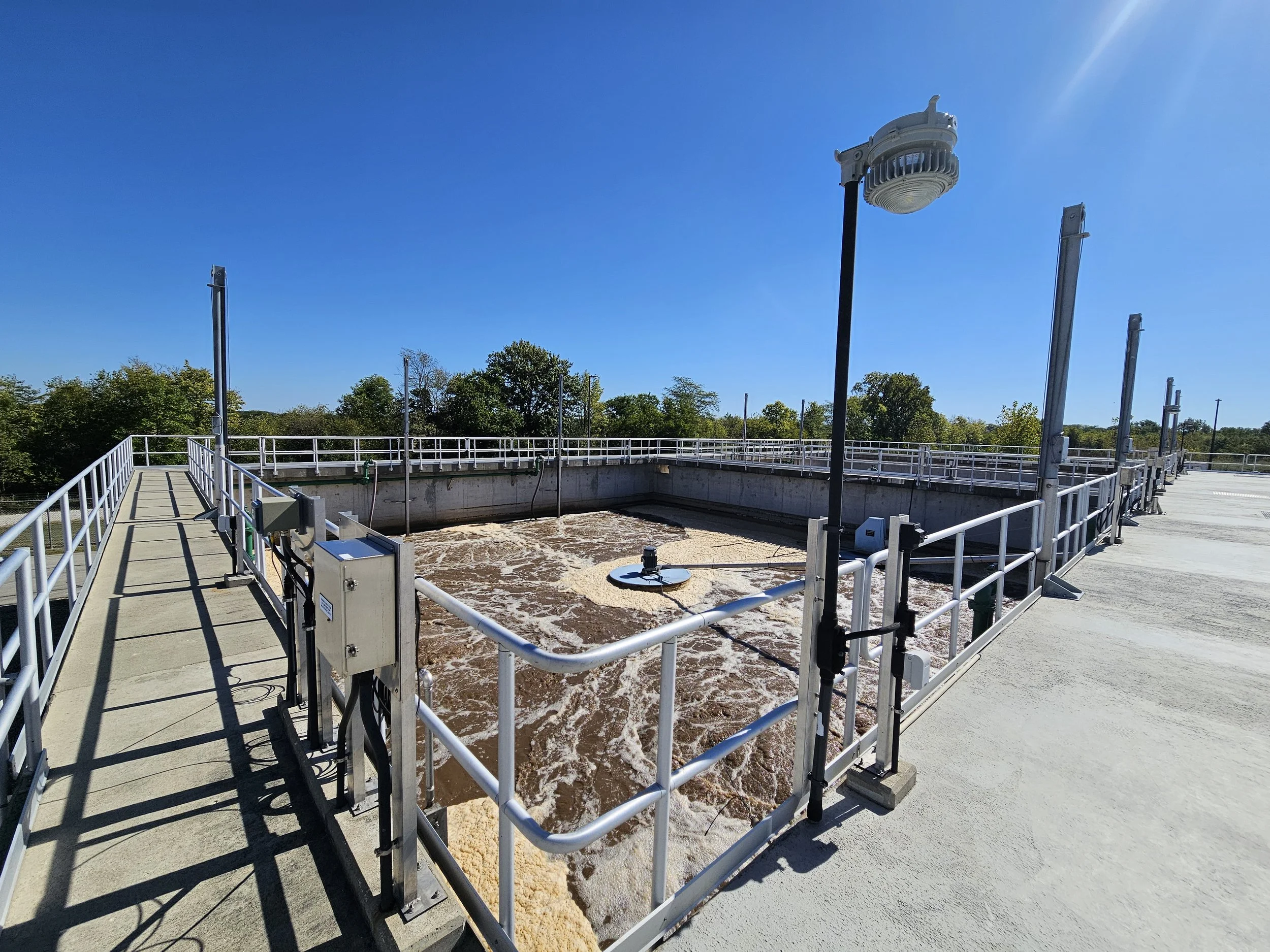
Before any groundwork begins on your wastewater project, a plan must be formulated. Our Scoping, Studies & Master Planning services do just that.
Scoping is the first step, where we’ll conduct a discovery session with you to outline services and deliverables. Studies pertains to the “how” of the work, and entails assessments and audits of your existing wastewater treatment facility project to determine if it’s feasible (and worthwhile) from a legal, safety and budgetary standpoint. Master Planning is the final piece, the planning and design of your wastewater project. We’ll work as a team to parse through all factors of consideration for your project, including: supply & demand, climate resiliency, influent quality, effluent compliance, data collection, population growth trends, flow rates, and infrastructure upgrades, all tied up in a nice (budgeted) bow.
Speaking of budget, we specialize in assistance with finding funding for wastewater resources projects.
Reuse / Reclamation
Reuse is the reclamation of wastewater, the science of taking something old (domestic and industrial effluent) and making it new (and usable) again. The transformation of effluent into resource (safe, usable water) can be engineered several different ways. The end-goal for each is to be able to discharge treated water safely back into the environment.
Non-Potable Reuse processes produce treated water that can be used for non-human consumption purposes, such as irrigation for landscape. Indirect Potable Reuse (IPR) entails reclaimed water that interacts with some type of natural buffer (a river, for example) before undergoing traditional water treatment methods. Direct Potable Reuse (DPR) methods produce wastewater that has been highly purified before distribution into a public drinking water system. Lastly, Zero Liquid Discharge (ZLD) is the most advanced wastewater treatment method. This process involves advanced engineering techniques that recycles up to 99% of wastewater and leaves no liquid effluent behind.
There are many factors to consider when developing Reuse processes. Challenges and risks must be considered, along with regulatory discharge limits, treatment methods to remove contaminants, and whether portable or non-potable treated water is the end-goal. We work with Indiana and Ohio municipalities to engineer Reuse methods that are tailored to your wastewater treatment plant’s needs (and budget).
Asset Management
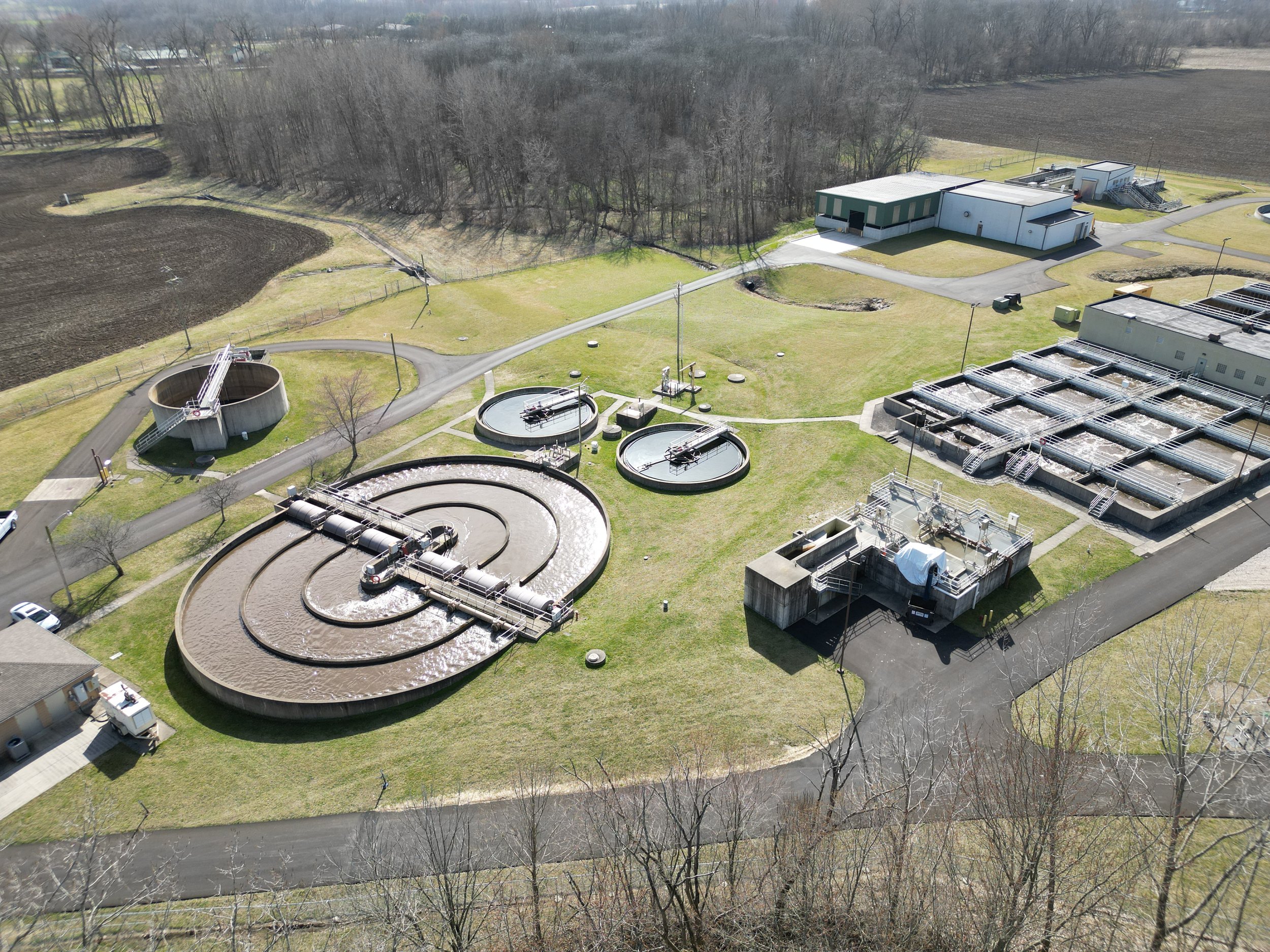
Life is full of hard truths, and one of those is that your wastewater treatment plant’s assets have an expiration date. Much like a game of Mouse Trap, only one asset failure is needed to take down your entire system, compromising service and compliance. Not to mention the potential for safety and environmental issues that could arise from mismanaged equipment.
The good news? There’s a way to systematically mitigate these challenges – we call it Asset Management. Working in tandem with your team, we’ll run a complete audit of your wastewater treatment plant’s current setup, and inventory all of your current assets (tanks, pumps, controls, bar screens, influent pumps, etc.). Our goal is to map out asset lifecycles, identifying disposal and replacement windows so “shelf life” can be maximized and ratepayer impacts minimized.
Hydraulic Modeling
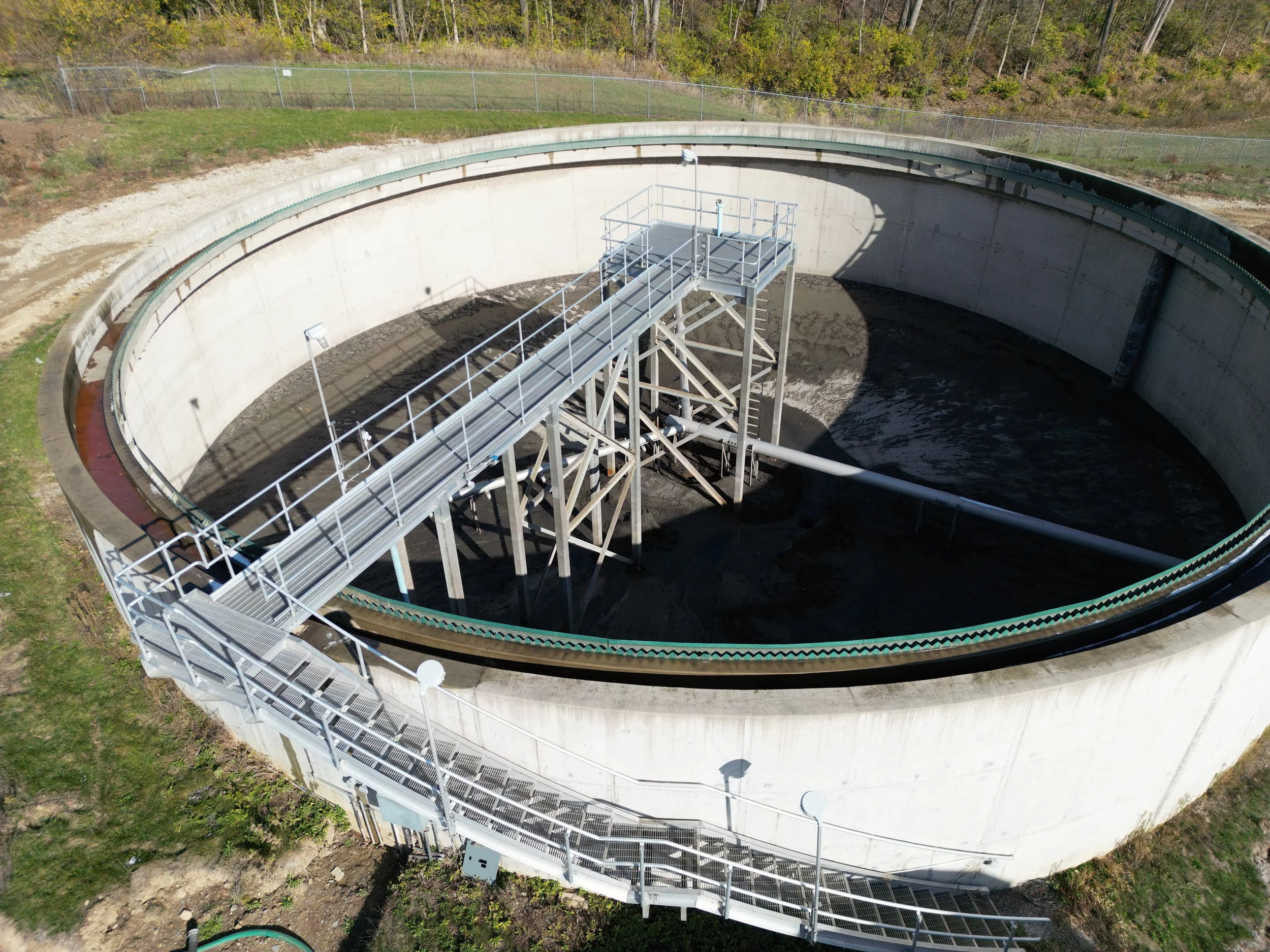
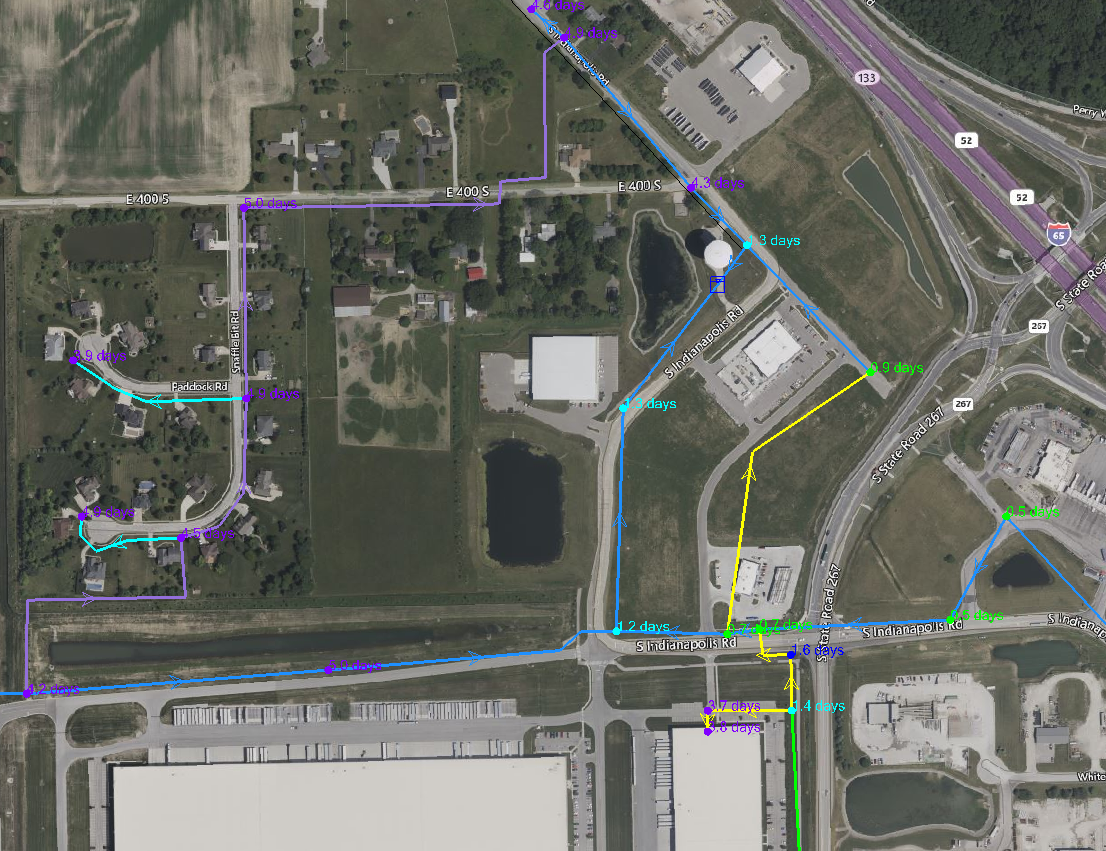
Know before you flow with Hydraulic Modeling. Don’t worry, we’re done with the lyrics, but we can’t stress enough the importance of these real world-simulations. Wastewater infrastructure upgrades often come with a heavy price tag – decisions to modify your system should be made with prudence and care. Wouldn’t it be nice to know what your investment will yield before you build? Hydraulic Modeling does just that. It’s the tech-savvy practice of showing how wastewater will move through proposed system upgrades, ensuring projects are both safe and effective.
Hydraulic Modeling provides a way to see how large demands (such as industrial usage, data centers, large subdivisions, etc.) will affect your system’s flow patterns and influent/effluent performance. We can also facilitate field testing to calibrate models for the most accurate forecasting. Hydraulic Modeling is a highly-recommended engineering method that can guide decision-making around your wastewater treatment facility’s needs.
Treatment Modeling
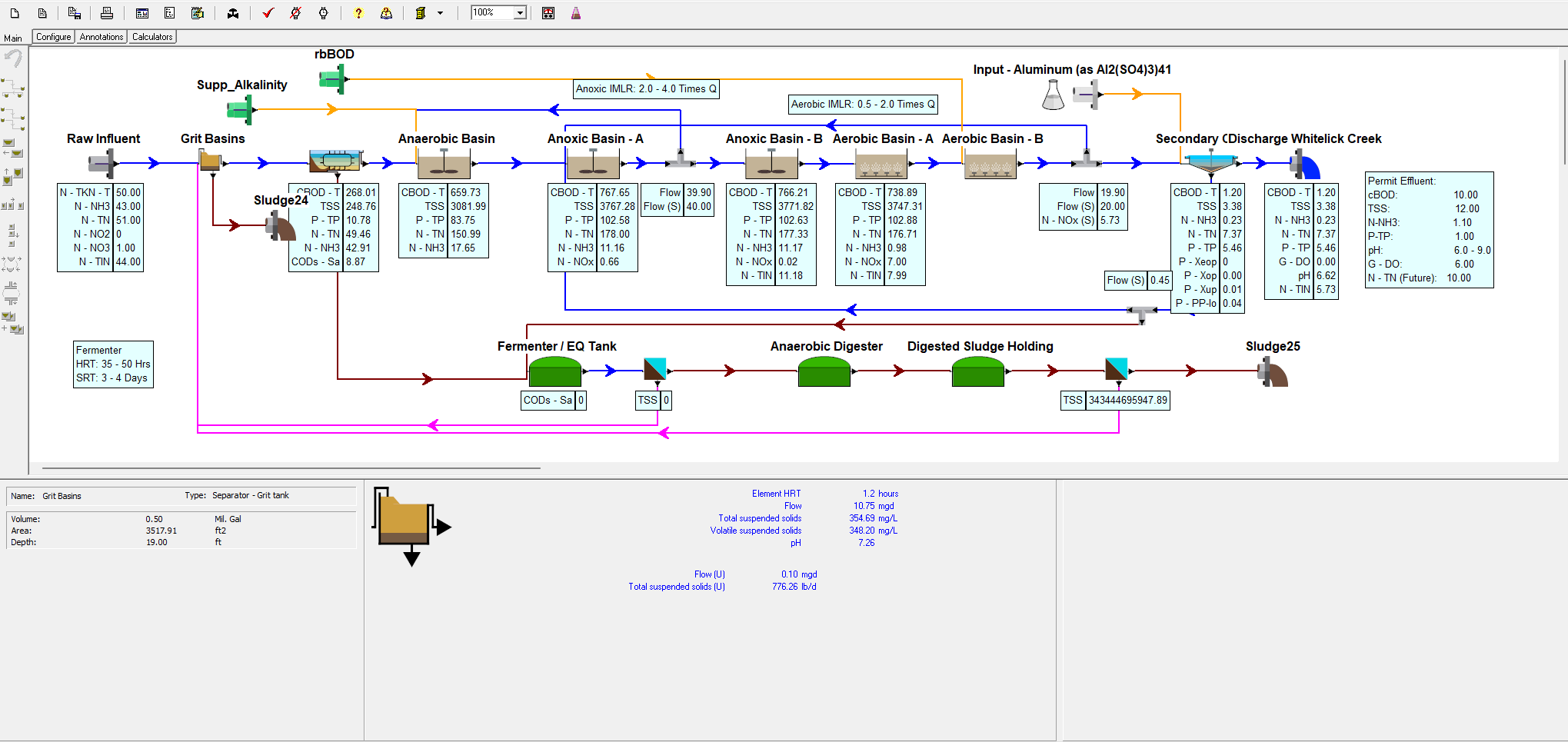
What do math and water have in common? As it turns out, quite a bit. Treatment Modeling is where science and math unite to streamline and optimize wastewater treatment methods and chemistry that can increase efficiency. These treatment method simulations help us find potential gaps and inconsistencies before implementation, so issues can be proactively addressed. Treatment Modeling can yield significant cost savings for municipalities; models also ensure regulatory compliance, and maximize treatment chemical usage to reduce operational costs.
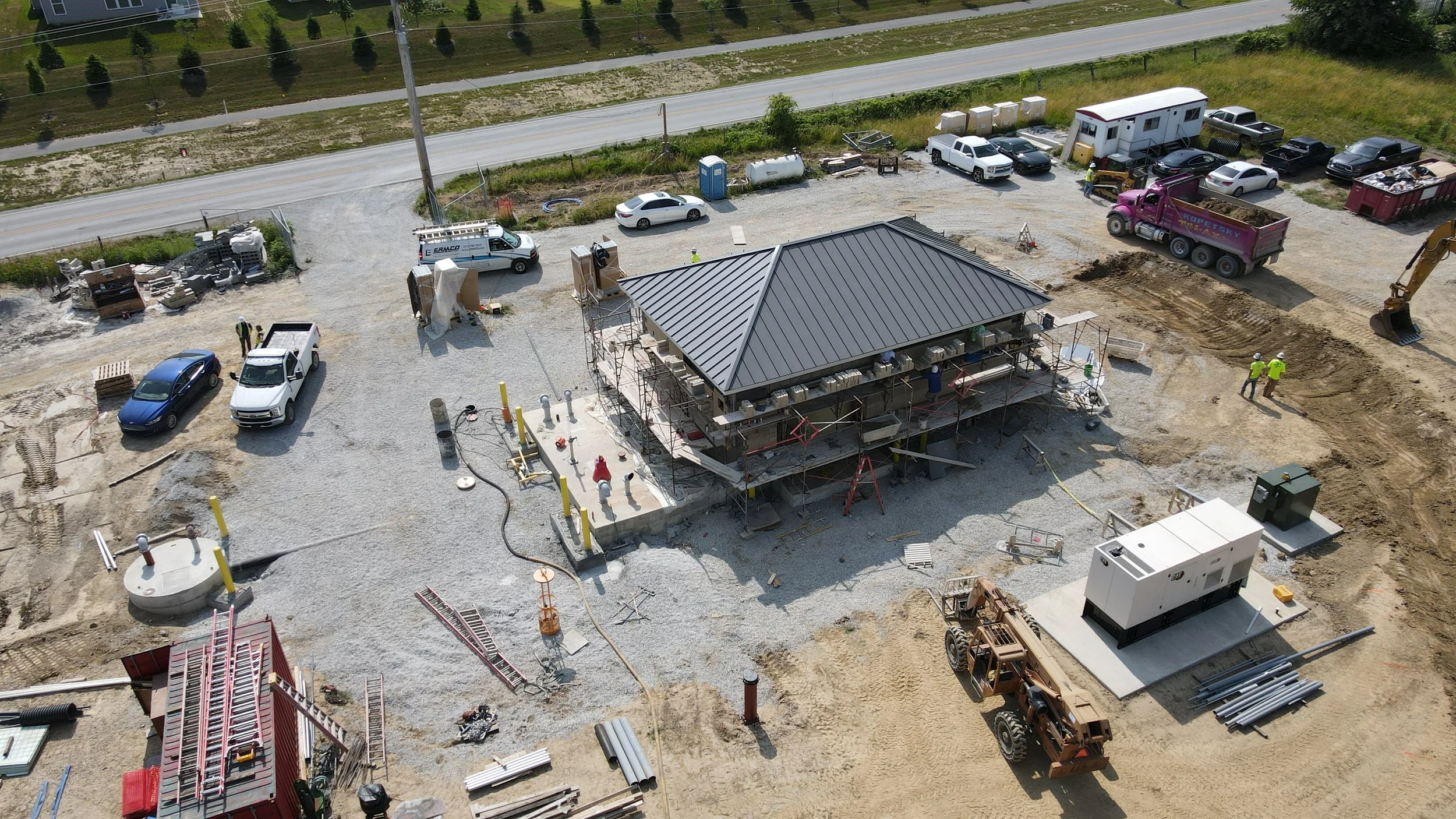
Lift Stations are the heart of every wastewater treatment facility, and just like any other collection and circulation system, require consistent monitoring and maintenance in order to maintain flow. That means assessing the performance of all components, including pumps, wet wells, check valves, controls, and other elements.
Our team of engineers can determine troubleshoot Lift Station issues, then work to design and coordinate construction of Lift Station enhancements or new-builds that are suited for your treatment facility’s unique needs.
Lift Stations
Wastewater Collection Systems
Wastewater Collection Systems are the interstates of wastewater transport. These piping networks move raw sewage and wastewater from their original collection points to a wastewater treatment plant for treatment. Routine maintenance and upgrades are necessary and needed to keep these systems in tip-top shape.
Many water piping systems throughout the Midwest have or are approaching maximum lifespan; let’s face it, nobody wants the headache of a busted wastewater collection system with no warning, which is what you can expect to happen if problems aren’t addressed proactively. We work with Midwest municipalities to identify weak points in Wastewater Collection Systems and conduct modeling exercises that can help us identify where they exist in your infrastructure. From there, we engineer and design improvements and upgrades to said systems, which can give your Water Collection System the boost it needs to keep operating effectively and efficiently.
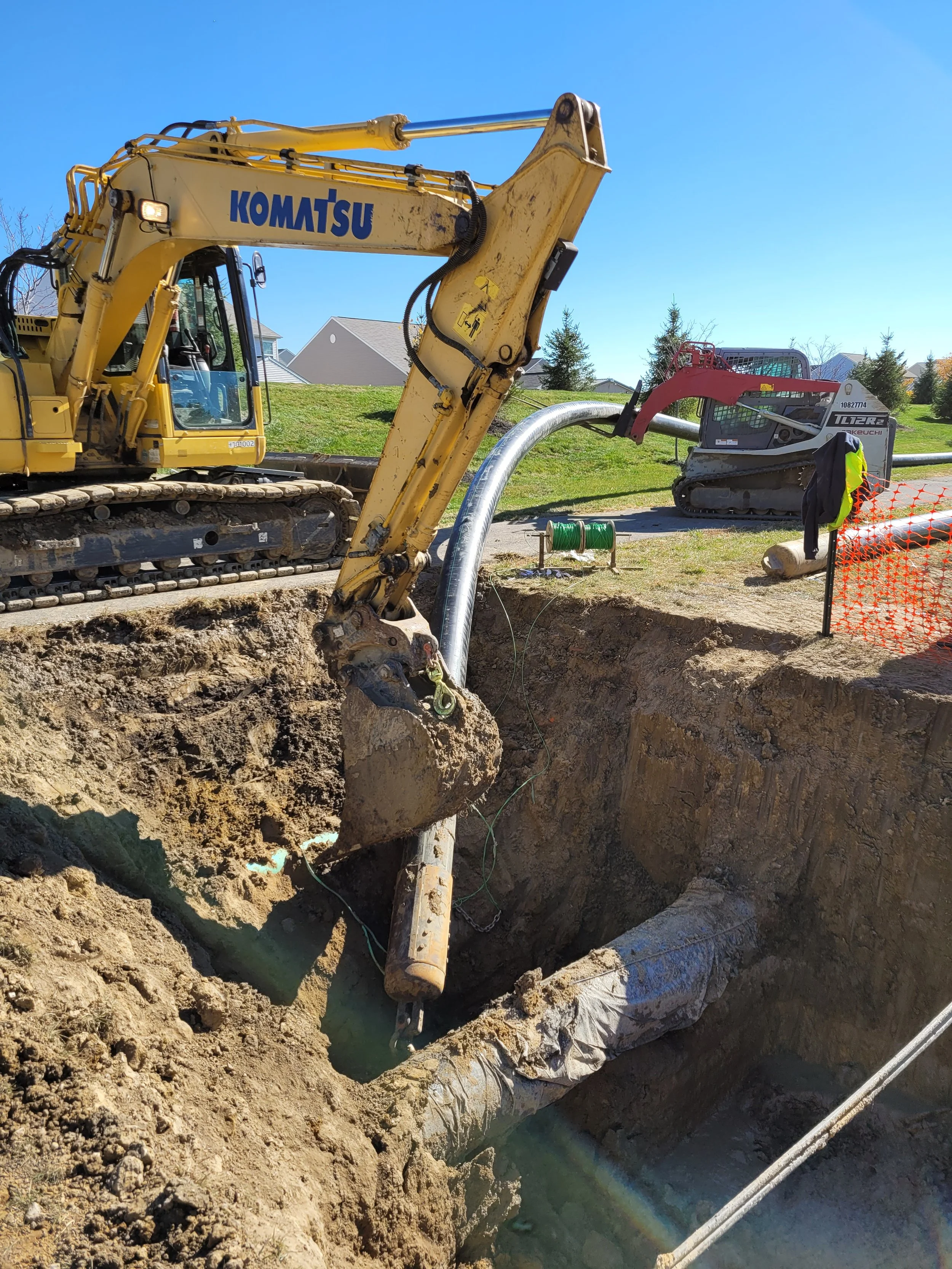
Force Mains
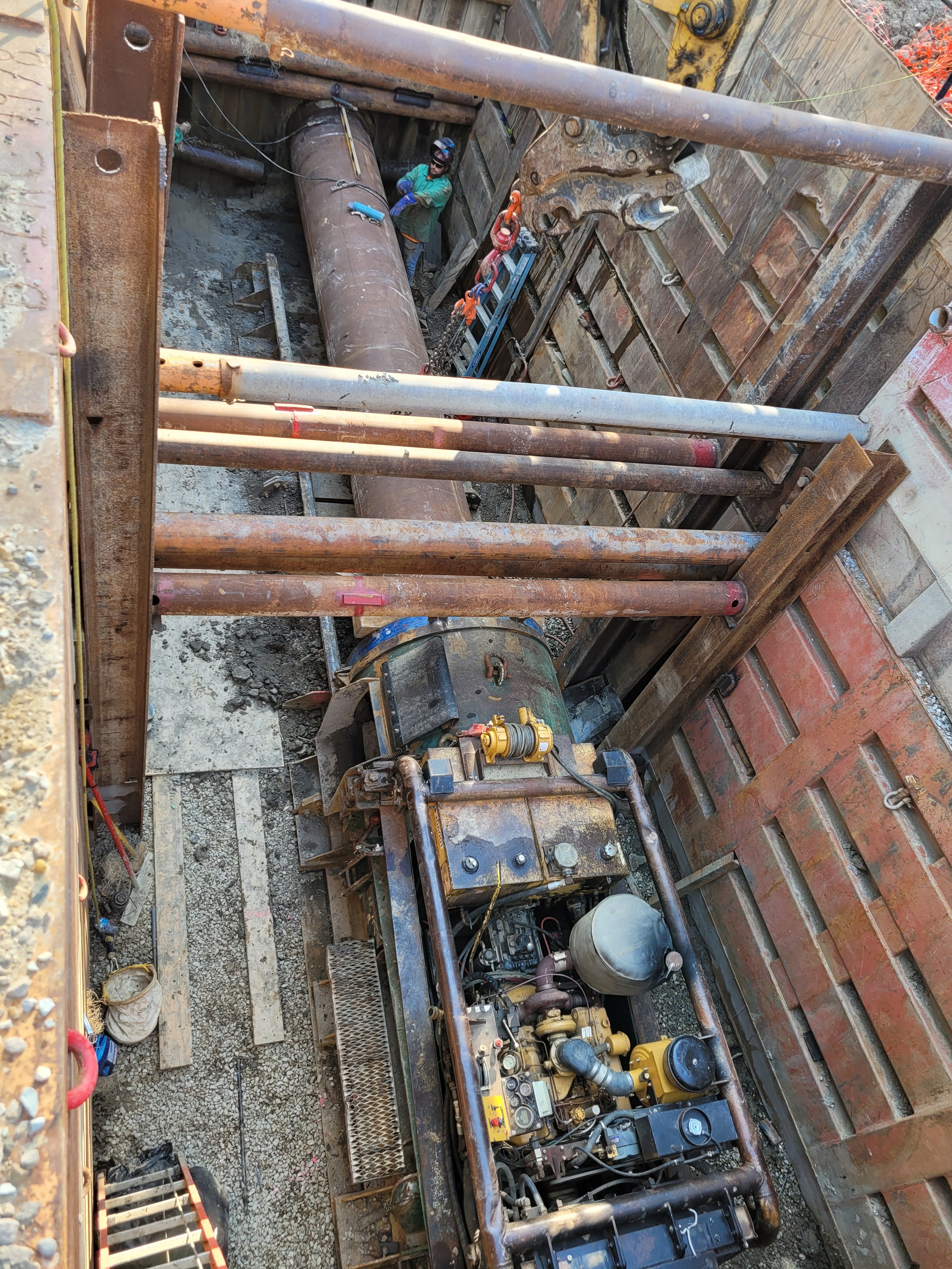
Have you ever felt like you needed a little extra boost to get where you’re going? Force Mains do just that, but for wastewater. These massive, pressurized pipes funnel large amounts of wastewater from pump stations to treatment plants. We work with water treatment plant facility operators to design Force Main systems, as well as assess whether existing Force Mains need upgrades.
Permitting & Regulatory Compliance
Dealing with administrative and legal permitting paperwork can be a source of stress for municipality operators who are likely already stretched thin on time and resources. Think of us as your Permitting & Regulatory Compliance assistants – we work with operators to identify and complete the complex paperwork needed to obtain official permits for water treatment/distribution systems. We are well-versed in federal, state and local laws pertaining to water resources and environmental regulations; we’ll work with you to ensure your facility is adhering to necessary policies and procedures.
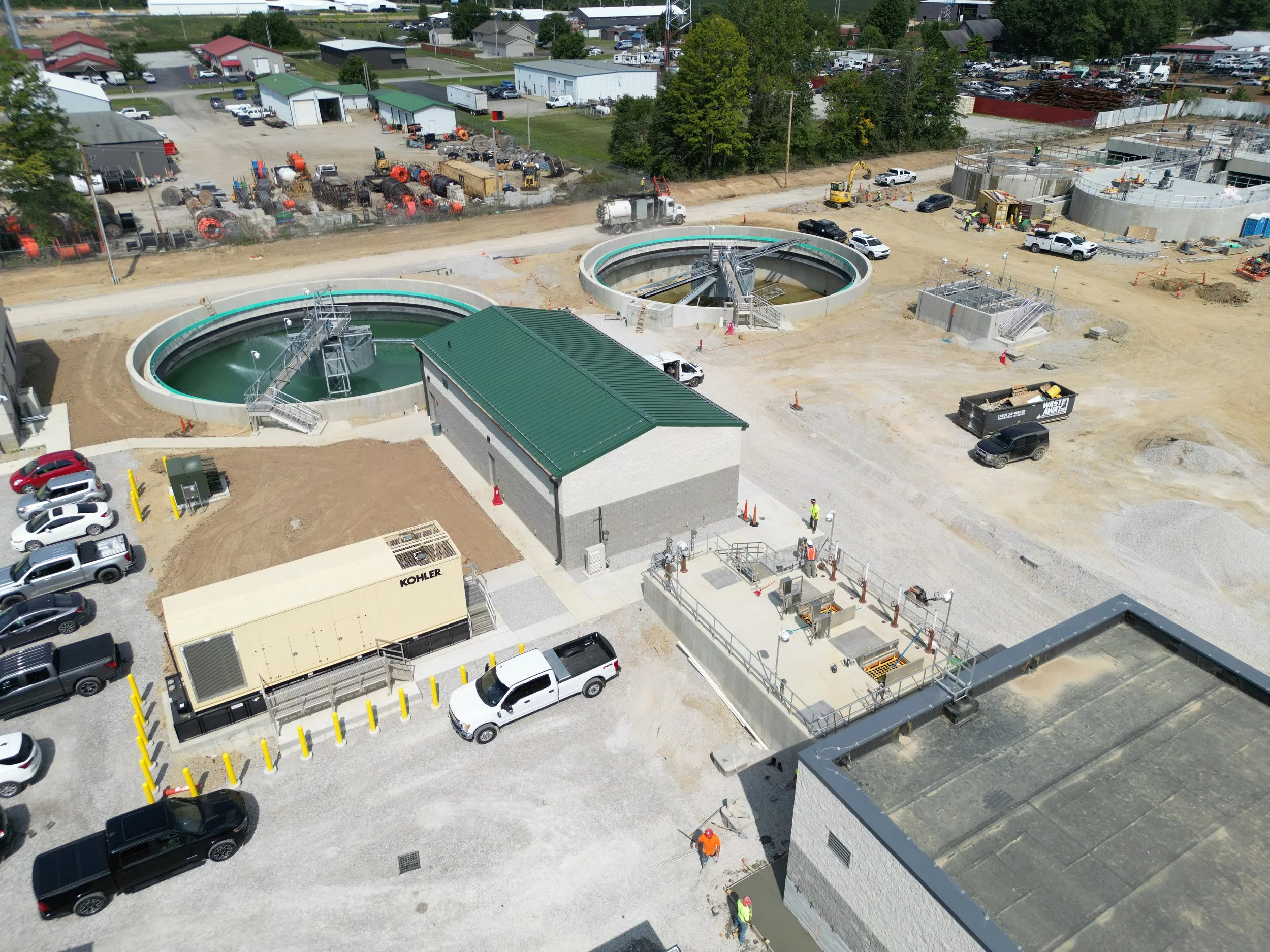
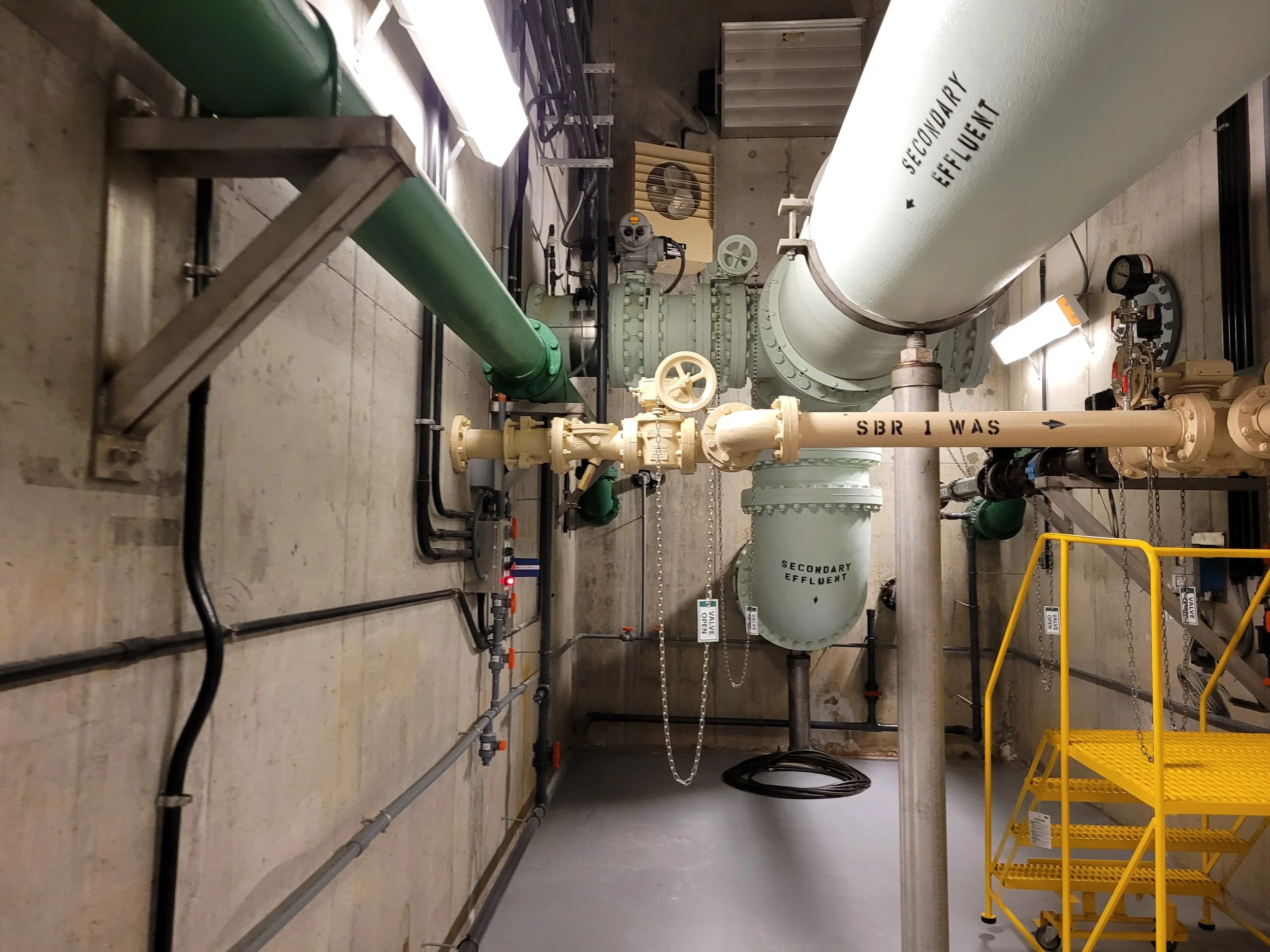
Your treatment plant’s network of piping matters more than you might think. Poor design can lead to service disruptions, low pressure, leaks and other hazardous issues. That’s where our Process Piping service comes in – we expertly engineer Process Piping, taking factors such as pipe size as it relates to velocity, pressure ratings, head losses, thermal expansion, and durability, into account with every design. Don’t forget about planning for future expansions, maintenance and replacement.
Process Piping
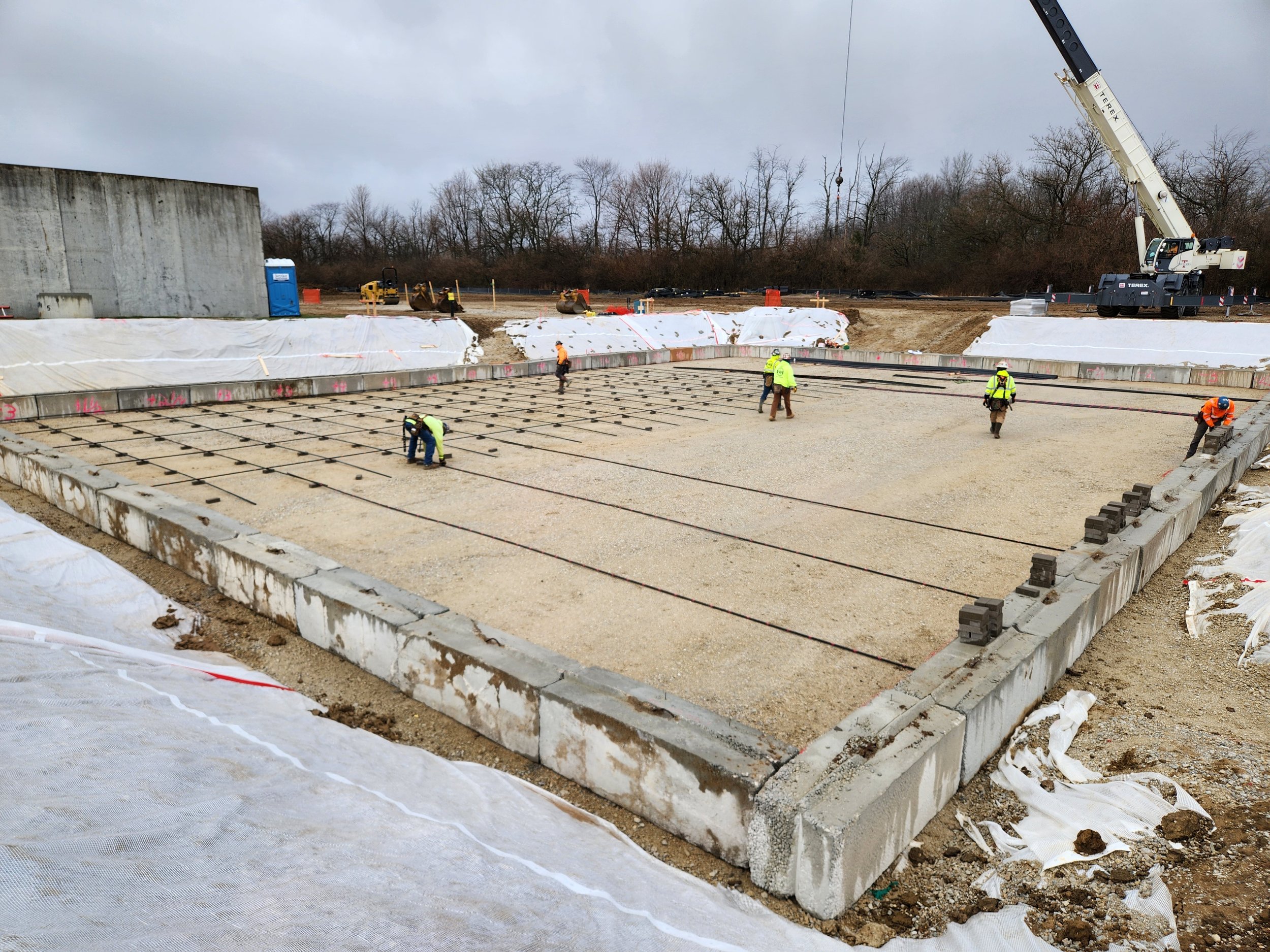
Construction Administration & Inspection
It's one thing to partner with an engineering firm that can map out designs for your wastewater project. It's another to partner with someone who can also oversee the execution of said designs, acting as an Owner Representative to work in the owner's best interest, and help ensure plans come to fruition with technical and engineering accuracy.
From contract award through closeout our Construction Administration services we act as the technical representative on behalf of municipal ownership. We’ll answer questions (RFIs), evaluate product submittals, conduct site visits for quality control and design intent adherence, and also handle contract paperwork.
Our Construction Inspection service provides daily on-site support from a CDS Engineers technical representative to track contractor progress and report back to both the project owner and engineer.
Let's Connect
Interested in working with us? Fill out the form with details about your project and we’ll get back to you promptly.